
 +44(0)1522 693522
 info@doortechnik.co.uk
G15 Steel Door
A versatile steel door for most external or secure internal applications

Doors on escape routes need suitable hardware to allow the buildings' occupants to escape easily and quickly. Different types of users, and the likelihood of panic situations developing, will determine whether panic bars, push pads, or mortice escape locks are suitable.
THe choice of escape door furniture is determined by the two relevant standards. Excerpts are shown below:
DoorTechnik manufacture a range of doors with escape hardware, and are pleased to advise on your requirements.
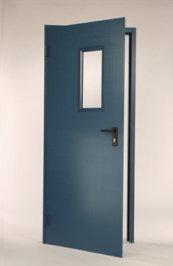
A versatile steel door for most external or secure internal applications
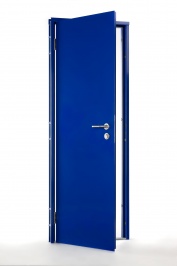
An economical flush steel doorset for most internal or external applications in commercial buildings.
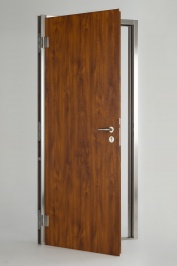
A strong and durable steel door, with the appearance of a timber door.
 PDF
PDF DWG
DWG